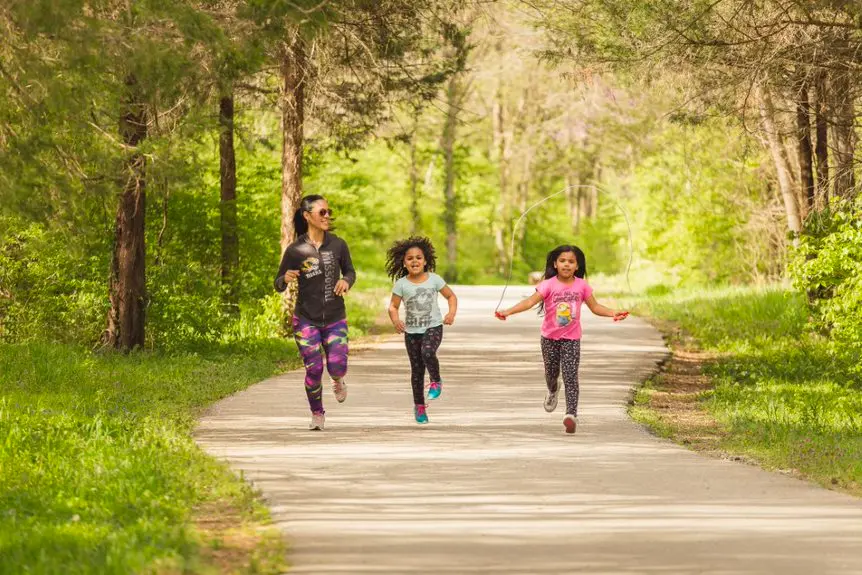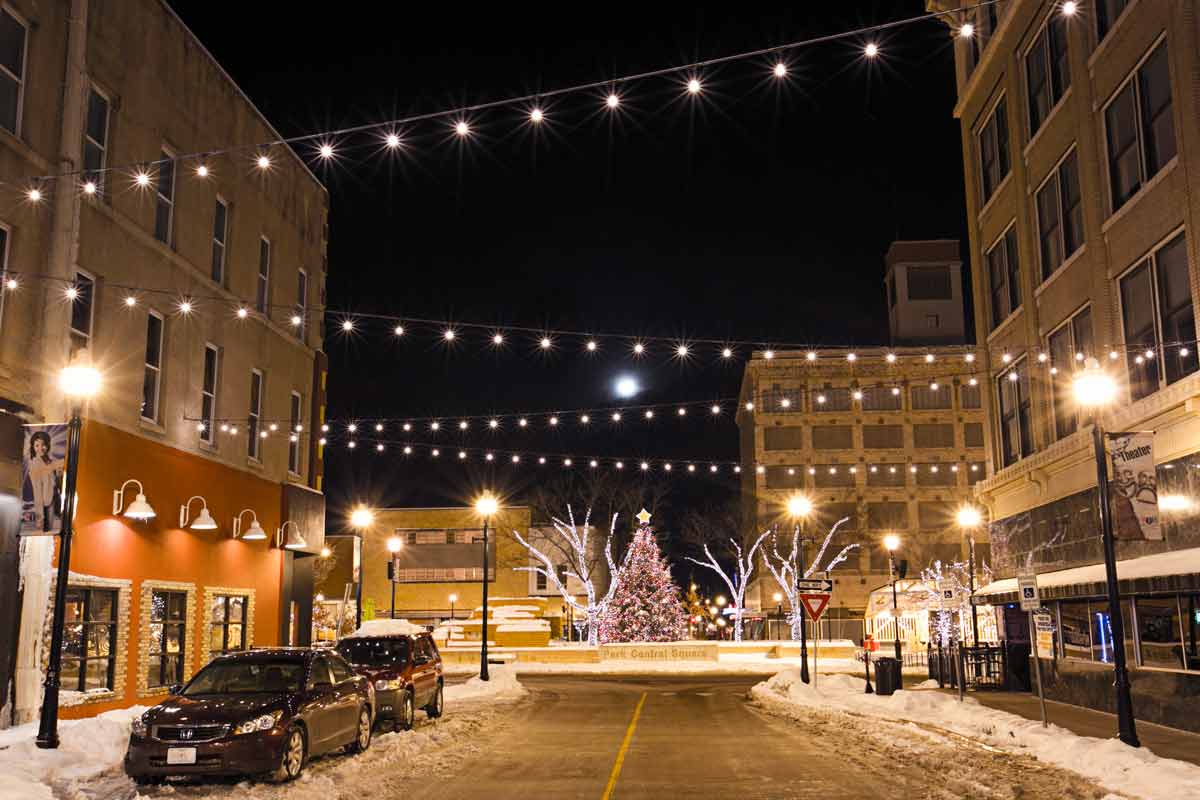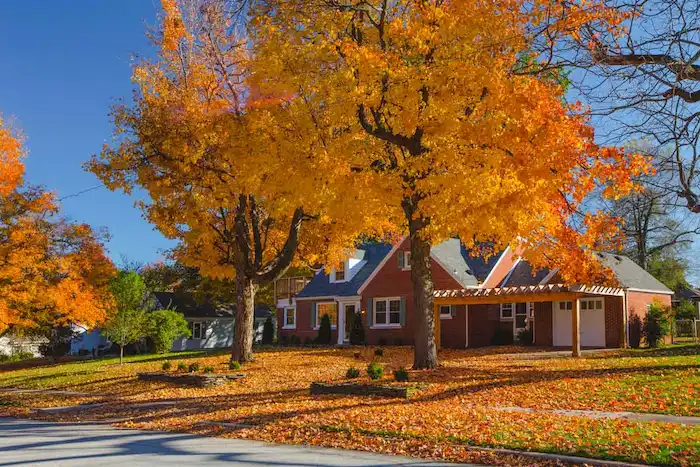
If you like weather, we’ve got lots of it! The Springfield area is noted for having some of the most varied weather in America. We have four distinct seasons:
The Springfield, MO climate is refreshingly diverse and brings new experiences with every season!
As mentioned before, Springfield enjoys a nice mix of weather patterns. Typical Springfield weather during the year looks like:
With such wonderful changes that happen each season, it’s important to find ways to get outside and enjoy the local Springfield area. Make sure to stay safe and wear clothing appropriate for each season!
Spring
Summer
Fall
Winter
In the Spring, temperatures in the Ozarks hover between 44 and 67 degrees fahrenheit – perfect for light jackets and rain boots! During the summer, you’ll want to throw on your tank top, shorts and baseball hat for summer fun as temperatures rise to between 65 and 88 degrees (and it has been known to break 100 on special occasions).
As Autumn comes around, the breeze begins to blow in cooler temperatures than hang out from 46 to 69 degrees. Lastly, although winters tend to be mild, be prepared for a drop in the colder months to temperatures ranging between 24 and 45 degrees!
Yes, Springfield gets snow most winters, but it tends to be lighter than much of the Midwest. Springfield averages about 14 inches of snow per year, compared to the U.S. average of 28 inches. Snowfall is most common in January and February, and significant accumulations are infrequent.
Springfield averages 210 sunny days per year, which is slightly above the U.S. average of 205. That puts Springfield well ahead of most Midwest cities when it comes to sunshine.
August is typically the hottest month in Springfield. Summer temperatures regularly reach the upper 80s and low 90s, with occasional days pushing past 100 degrees.
January is the coldest month in Springfield, with average lows around 26 degrees F. Winters here are generally milder than much of the Midwest, though cold snaps do occur.
Springfield gets about 45 inches of rain per year, which is higher than the U.S. average of 38 inches. May tends to be the wettest month, while January is typically the driest.
Spring and fall are the most comfortable seasons for outdoor activities and exploring the area. Late April through May and September through October bring mild temperatures, lower humidity, and some of the best scenery the Ozarks has to offer.